- PUMP
- Posts
- PUMP Newsletter
PUMP Newsletter
Federal Judge Blocks Trump's Nationwide Wind Energy Freeze
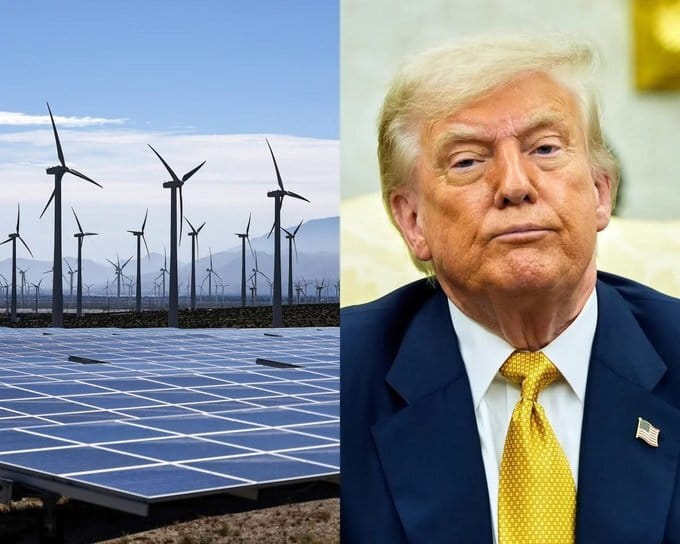
A federal judge in Boston struck down President Trump's January executive order that halted all new offshore and onshore wind leasing on federal lands and waters, calling it unlawful and a gift to fossil fuel donors. U.S. District Judge Patti Saris ruled the directive violated the Outer Continental Shelf Lands Act and the Administrative Procedure Act by skipping required environmental reviews and public comment. The decision immediately revives 12 stalled offshore projects from Massachusetts to Virginia totaling more than $45 billion in private investment.
Trump had justified the freeze by citing radar interference and bird deaths, but internal emails released in the case showed Interior Secretary Doug Burgum coordinating with oil industry executives, days before issuance. Environmental groups and Democratic attorney generals from 11 coastal states hailed the ruling as a major climate victory. Republican leaders vowed an emergency appeal to the First Circuit, with House Energy Chairman Brett Guthrie calling it judicial sabotage of American energy dominance. The administration has 30 days to file a stay, but legal analysts expect the projects to resume permitting within weeks unless the Supreme Court intervenes.
Trump Threatens Severe Tariffs on Canadian Fertilizer Imports
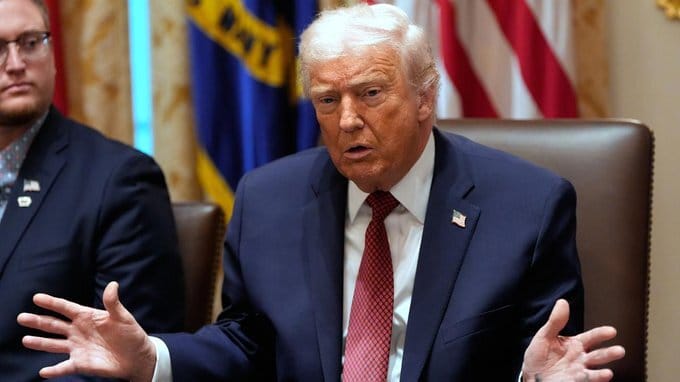
Escalating North American trade frictions, President Trump warned of very severe tariffs on Canadian fertilizer if Ottawa doesn't curb what he called unfair subsidies undercutting U.S. producers. The threat targets potash and urea exports vital to Midwest farms, potentially hiking costs amid Trump's $12 billion aid rollout. Commerce Secretary Howard Lutnick backed the move, citing a 15% Canadian edge from government supports. "They're dumping on our markets," Lutnick said.
Canada’s Prime Minister Mark Carney dismissed it as bluster, noting ongoing talks post-October halt over a Reagan ad flap. Trump replied coyly, "We'll see" on resuming negotiations. Analysts see this as leverage for broader concessions on autos and dairy, aligning with the National Security Strategy's hemispheric focus. A 25% duty could add $2 billion to U.S. input costs hence squeezing margins already hit by tariffs.
Trump Again Threatens Tariffs on Mexico Over Long-Running Water Dispute
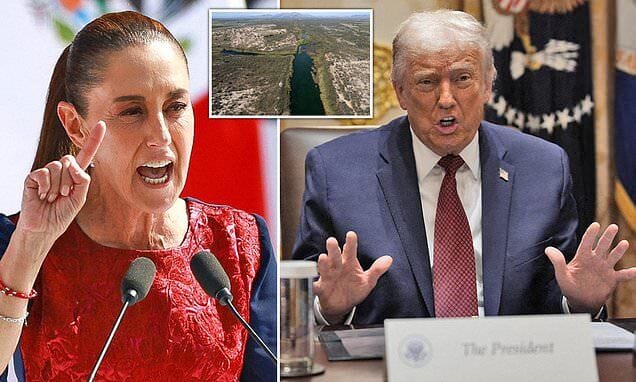
President Donald Trump escalated his trade war rhetoric Monday, threatening an additional 5 percent tariff on all Mexican imports unless Mexico immediately releases water owed under a decades-old treaty, a move that could deepen bilateral strains just weeks after a high-profile summit. Trump accused Mexico of violating the 1944 Water Treaty, which requires it to deliver 1.75 million acre-feet from the Rio Grande every five years in exchange for U.S. Colorado River allocations. "Mexico continues to violate our comprehensive Water Treaty, and this violation is seriously hurting our beautiful Texas crops and livestock," he wrote on Truth Social, demanding 200,000 acre-feet by December 31 and the balance soon after. Mexico has delivered only about 27 percent of its obligation since 2020, leaving a shortfall of over 800,000 acre-feet amid prolonged droughts in Chihuahua state.
Texas agriculture, reliant on the Rio Grande for irrigation, has suffered $1 billion in crop losses, including the closure of the state's last sugar mill and fallow citrus orchards. Farmers in the Rio Grande Valley rallied behind the president, with the Texas Farm Bureau calling the under delivery a clear breach that demands accountability. Yet Mexican officials, facing their own water crises, have resisted further releases, prioritizing northern farmers hit by the same drought.
Trump Rolls Out $12 Billion Farmer Bailout Amid Tariff Backlash
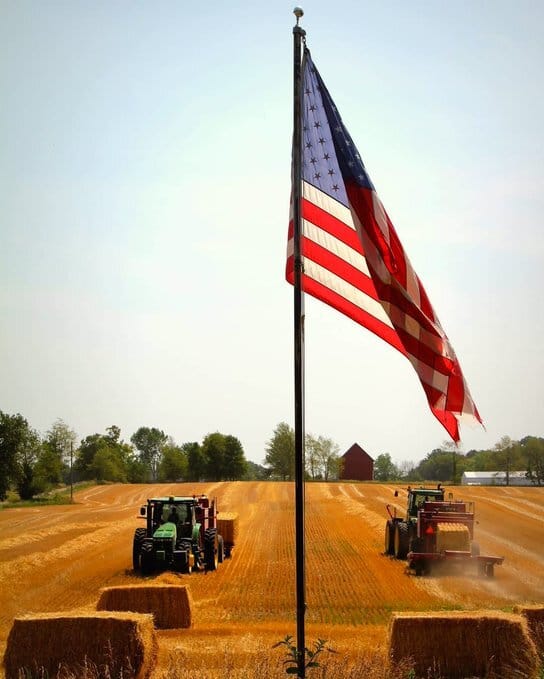
President Trump announced a $12 billion aid package for farmers battered by his trade wars, framing it as proof his tariffs are rebuilding American agriculture despite mounting economic strain. Speaking in the Cabinet Room flanked by Agriculture Secretary Brooke Rollins and Treasury Secretary Scott Bessent, Trump said the funds, sourced from tariff revenues, would hit accounts by February, targeting crop losses from retaliatory duties by China and the EU.
The one-time payments, $11 billion for major crops like soybeans and corn, come as farm bankruptcies surged 20% this year per USDA data. Critics, including Senate Minority Leader Chuck Schumer, called it corporate welfare propping up a policy that's jacked up consumer prices by 5-7% on groceries.
"Tariffs are making us rich. This is the payoff."
Rollins detailed allocations: $8 billion for direct relief and $4 billion for infrastructure like grain storage. The move follows off-year election losses tied to rural discontent, with Gallup showing Trump's approval at 36%. Farm groups like the American Farm Bureau praised the lifeline but urged tariff exemptions for allies like Canada.
Supreme Court Leans Toward Expanding Trump's Firing Powers
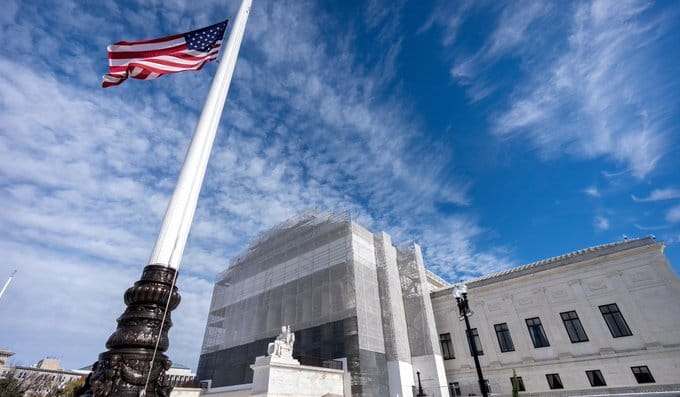
The Supreme Court signaled strong support for President Trump's authority to dismiss leaders of independent agencies, potentially upending nearly a century of precedent that shields regulators from at-will presidential removals. During oral arguments in Trump v. Slaughter, a majority of justices appeared ready to overturn the 1935 Humphrey's Executor ruling, which limited firings to cases of inefficiency or malfeasance. For more on this:
Conservative justices, including Amy Coney Barrett, pressed lawyers for the fired officials on why Congress should constrain executive control over agencies like the FTC and NLRB. Solicitor General D. John Sauer argued that such protections create unaccountable bureaucracies thwarting voter mandates, echoing Trump's post-election purge of dozens of holdovers.
Liberal justices, led by Sonia Sotomayor, warned of politicized watchdogs bending to White House pressure on antitrust or labor rules. "This invites corruption at every level," Sotomayor countered. Legal experts predict a 6-3 ruling by summer, clearing the way for Trump to install loyalists across 20-plus agencies, from the SEC to environmental boards. The decision arrives amid Trump's broader overhaul, including stalled U.S. attorney nominations blamed on Senate blue slips.
Trump Defers Boat Strike Video Release in Transparency Reversal
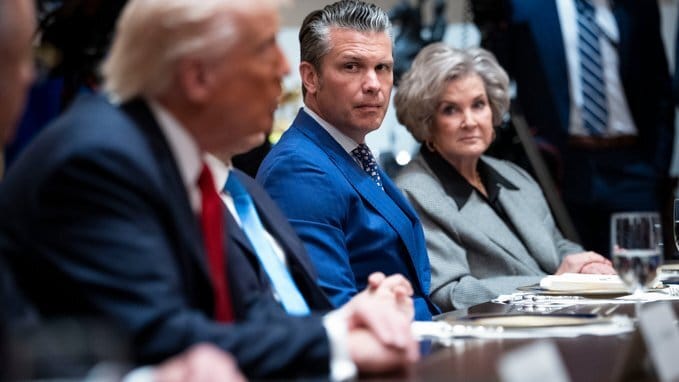
President Trump backed away from his pledge to release video footage of a deadly U.S. military strike on a Venezuelan drug boat, deferring the decision to Defense Secretary Pete Hegseth amid mounting scrutiny over the operation's legality. Speaking at a White House Cabinet meeting, Trump said he has no problem with disclosure but would leave it to Hegseth, who is reviewing the material for security concerns.
The reversal comes after a Washington Post report detailed a controversial second tap on a September 2 strike off Venezuela's coast, where Navy forces allegedly finished off survivors on Hegseth's orders to kill them all. The initial attack sank a vessel carrying two tons of fentanyl precursors, killing 11, but the follow-up reportedly claimed two more lives, including a radio operator calling for help. Human Rights Watch labeled it a potential war crime, citing the Pentagon's own Law of War manual prohibiting attacks on non-combatants.
Hegseth defended the strikes as essential to Trump's Monroe Corollary expansion, vowing to terminate every vessel trafficking narcotics. He watched the first hit but admitted leaving before the second, calling Admiral Frank Bradley's call the right one. Senate Minority Leader Chuck Schumer branded Hegseth spineless and demanded unedited tapes, while Rep. Adam Smith called for hearings on the murky legal basis.
That’s all for today, thanks for reading.
We’ll see you tomorrow!
— The PUMP Team